



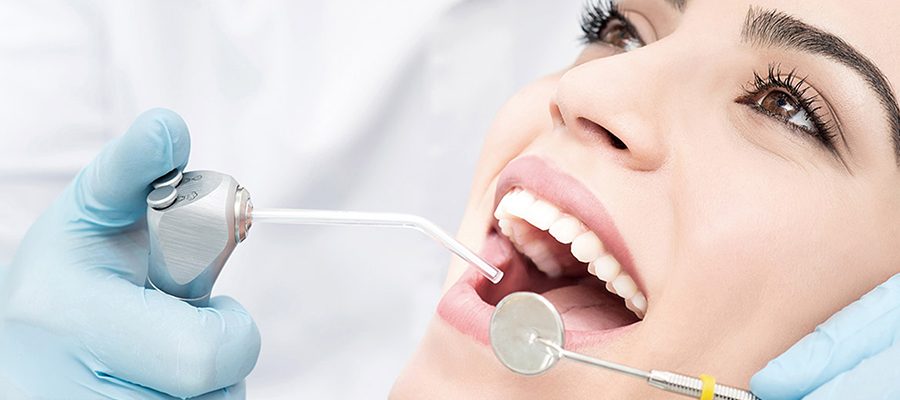
Oral and Dental Health is a general state of health that includes the health of the teeth, gums, and other parts of the mouth, protection from diseases, and preservation through regular care.
This not only includes the prevention of tooth decay and gum diseases but also the prevention and treatment of bad breath, dental erosion, oral cancer, and other oral diseases. Oral and dental health is an important part of overall health and can directly affect an individual’s daily functions such as nutrition, speech, social interaction, and self-confidence.
Below are the basic steps for oral and dental health;
Regular Tooth Brushing: Brushing the teeth at least twice a day, preferably after every meal, prevents plaque buildup and reduces the formation of tooth decay.
Use of Dental Floss: Cleaning the teeth with dental floss at least once a day helps remove food particles and plaque left between the teeth and below the gum line.
Regular Dentist Visits: Dental check-ups at least twice a year are important for early diagnosis and treatment. Professional cleaning ensures the removal of plaque and tartar (calculus).
Healthy Nutrition: Limiting sugar and acidic drinks and maintaining a healthy and balanced diet positively affects dental health.
Use of Fluoride: Fluoride strengthens tooth enamel and reduces the risk of decay. Using fluoride toothpaste and receiving fluoride treatment when recommended by the dentist is beneficial.
Avoiding Smoking and Alcohol Consumption: Smoking and excessive alcohol use increase the risk of many oral diseases, including oral cancer.
İçindekiler Tablosu
What Diseases Are Treated in Oral and Dental Health?
Oral and dental health includes the treatment of various diseases such as tooth decay, gum diseases like gingivitis and periodontitis, gum recession, dental erosion, oral sores, orthodontic problems, tooth loss, temporomandibular joint disorders, oral cancer, and bad breath.
Treatment methods include restorative procedures (fillings, crowns, bridges, implants), periodontal treatments (deep cleaning, surgical procedures, grafting), orthodontic treatments (fixed and removable appliances, clear aligners), endodontic treatments (root canal treatment), surgical interventions (tooth extraction, impacted tooth operations), oral, maxillofacial and jaw surgery (removal of jaw cysts and tumors, treatment of jaw fractures), and preventive treatments (fluoride applications, preventive fissure sealants, oral hygiene education). The aim of these diseases and treatments is to improve and protect the patient’s oral health, which is possible with early diagnosis and regular dentist visits.
What Procedures and Examinations Are Performed in Oral and Dental Health?
Periodic Examinations: Examinations performed at regular intervals by the dentist are important to evaluate the general condition of oral health.
Professional Dental Cleaning: Includes the removal of plaque and tartar, calculus removal, and smoothing of tooth surfaces.
Panoramic X-Rays: Provide a general image of the entire mouth.
Bitewing X-Rays: Used to detect cavities between the teeth.
Periapical X-Rays: Show the entire tooth and the surrounding bone structure.
Filling: The process of filling the cavity after decay is cleaned.
Root Canal Treatment: A treatment performed when the tooth’s living tissue (pulp) is infected.
Periodontal Treatment: Performed for the treatment of gum diseases. It may include deep cleaning (scaling and root planing) procedures.
Brackets and Other Corrective Appliances: Used to ensure proper alignment of the teeth.
Bridges and Implants: Performed to replace missing teeth.
Complete and Partial Dentures: Used to address the absence of one or more teeth.
Whitening: Used to lighten the color of the teeth.
Laminates and Veneers: Thin coverings applied to improve the appearance of the teeth.
Tooth Extraction: Extraction of teeth that cannot be saved.
Impacted Tooth Operations: Removal of teeth that grow differently than normal, such as wisdom teeth.
TMJ Disorders: Diagnosis and treatment of jaw joint disorders.
Sleep Apnea and Anti-Snoring Appliances: Use of special appliances to facilitate breathing during sleep.
What Health Technologies Are Used in Oral and Dental Health?
Oral and dental health is an important part of overall health, and many health technologies serve this field today. These technologies have revolutionized both the diagnosis and treatment processes. Here are some important health technologies used in oral and dental health:
Digital dentistry includes computer-aided design and manufacturing technologies (CAD/CAM) used in the planning, implementation, and monitoring of dental treatments. Thanks to this technology, dentists and technicians can produce dental restorations faster and more accurately. CAD/CAM technology is used in the production of crowns, bridges, veneers, and dental prostheses.
3D printers have revolutionized the production of custom dental prostheses and orthodontic devices in particular. This technology takes a digital scan of the patient’s mouth and, based on this data, enables the rapid and cost-effective production of custom products that will provide a perfect fit.
Digital radiography is a technology that replaces traditional film-based radiography. This technology provides faster and clearer images with lower radiation doses. In addition, digital radiography images can be easily stored, processed, and shared with other healthcare professionals.
Laser treatment is used for various procedures in dentistry. This method is effective in the treatment of gum diseases, cleaning of decay, removal of oral lesions, and teeth whitening procedures. Laser treatment generally provides less pain and a faster healing process.
Intraoral cameras allow dentists to view patients’ oral cavities in great detail. These devices provide patients with a better understanding of their own oral health while allowing dentists to make more accurate diagnoses and treatment planning.
Teledentistry involves the provision of dental services remotely. This technology offers a significant advantage especially for patients living in areas with difficult access. Patients can consult with dentists via video conferencing and, in some cases, receive preliminary diagnoses.
Software used in orthodontic treatments simulates tooth movements and helps plan the treatment process. Thanks to this software, both patients and dentists can more clearly see pre- and post-treatment expectations.
What Should Be Considered for Oral and Dental Health?
Oral and dental health is an important part of overall health and can lead to many health problems when neglected. Here are some important points to consider to maintain a healthy oral and dental structure:
Brush your teeth at least twice a day, in the morning and before bedtime.
Use fluoride toothpaste, as fluoride strengthens tooth enamel and provides protection against decay.
Make sure to brush your teeth for at least two minutes.
Clean between your teeth at least once a day using dental floss. This removes plaque and food debris that accumulate in areas where the toothbrush cannot reach.
Visit your dentist at least twice a year. During these check-ups, possible problems can be diagnosed and treated early.
Avoid sugary and acidic foods, as such foods can cause tooth decay and erosion.
Consume foods rich in calcium, phosphorus, and vitamins A, C, and D, such as dairy products, leafy green vegetables, and nuts. These nutrients support the health of teeth and gums.
Try to drink at least 8 glasses of water a day. Water cleans your mouth and, by increasing saliva production, reduces the accumulation of acids and bacteria.
Smoking and alcohol consumption increase the risk of oral cancer, gum diseases, and tooth loss.
Foods such as hard candies, ice, and sticky sweets can damage teeth or dislodge existing fillings.
Protect your teeth from damage by using a mouthguard during physical activities such as sports.
Stress can lead to poor oral health habits such as teeth grinding (bruxism). Stress management techniques can help prevent this condition.
Consult a dentist immediately if you notice any oral or dental problem. Early intervention helps prevent more serious health problems.
What Should We Consume for Oral and Dental Health?
Dairy products such as milk, cheese, and yogurt strengthen tooth enamel thanks to their high calcium content and protect against cavities. Cheese also increases saliva production, maintaining the mouth’s pH balance.
Leafy green vegetables such as spinach, kale, and broccoli are rich in calcium, phosphorus, and vitamins that repair tooth enamel and support gum health.
Fruits such as apples, strawberries, and oranges are rich in fiber that naturally cleans teeth. Strawberries contain natural acids with teeth-whitening properties. However, it is important not to overconsume acidic fruits and to rinse the mouth with water afterward.
Green and black tea are rich in polyphenols and can help reduce oral bacteria. Drinking plenty of water both increases saliva production and helps clean the mouth.
Protein sources such as fish, chicken, and eggs provide phosphorus necessary for teeth and gums. Salmon, in particular, is rich in omega-3 fatty acids that support dental health.
Nuts and seeds such as almonds, walnuts, and chia seeds contain healthy fats, proteins, and minerals that strengthen tooth enamel.
Whole grains are rich in B vitamins and iron and also contain magnesium, which is important for gum health. Fiber-rich grains also help maintain oral health.
Drinking an adequate amount of water daily prevents dry mouth and, by increasing saliva flow, provides protection against tooth decay.
What Should We Use for Oral and Dental Health?
Fluoride strengthens tooth enamel and provides protection against decay. Brushing your teeth twice a day with fluoride toothpaste is the most basic step to maintaining your oral health.
Use a soft-bristled toothbrush and be gentle so as not to damage your gums while brushing. It is important to replace the toothbrush every 3–4 months or when the bristles wear out.
Dental floss is used to remove plaque and food debris from places the toothbrush cannot reach. Using dental floss at least once a day is critical for gum health.
Antiseptic or fluoride mouthwashes improve oral hygiene and provide extra protection against tooth decay and gum diseases. Regular use of mouthwash also prevents bad breath.
For those who have difficulty using dental floss, a water flosser is an effective alternative for cleaning food debris and plaque around the teeth and gums.
If you are not getting enough calcium, phosphorus, and vitamins A, C, and D from your diet, you can use supplements of these vitamins and minerals to support your dental and gum health.
If you are not satisfied with the color of your teeth, you can use teeth-whitening products with your dentist’s recommendation. However, excessive use of these products can damage tooth enamel.
If you are undergoing orthodontic treatment or have nighttime teeth grinding (bruxism), you can use custom-made guards to protect your teeth.
Use products recommended by your dentist for your specific oral health needs. These may include special toothpastes for sensitive teeth or specific mouthwashes for certain gum diseases.
Oral and Dental Health Prices 2025
Oral and dental health prices 2025 You can contact us to get information about it.