



Jaw Surgery includes surgical procedures performed to treat structural abnormalities, injuries, and diseases in the mouth and jaw regions. Such surgical procedures can be performed to provide both aesthetic and functional improvements. Jaw surgery is a broader medical field also known as maxillofacial surgery, which deals with the health of the mouth, teeth, and jaw. Jaw surgery may be required for situations such as the following:
Tooth extraction procedures (for example, removal of impacted teeth),
Removal of cysts or tumors in the jawbone,
Treatment of problems in the jaw joint (for example, TMJ disorders),
Repair of jaw fractures,
Correction of congenital or acquired deformities in the facial bones,
Surgical correction of severe bite disorders that cannot be corrected with braces,
Procedures known as orthognathic surgery, which involve repositioning the jawbones,
Implant applications and other procedures involving the jawbones.
İçindekiler Tablosu
Which diseases does Jaw Surgery treat?
Jaw surgery provides treatment for a wide variety of conditions and diseases. Surgeons in this field address a range of issues affecting the structure of the mouth, face, and jaw. Here are some common conditions jaw surgery deals with:
Tooth Extraction: Removal of teeth that erupt differently than normal, such as impacted or wisdom teeth.
Orthognathic Surgery: Surgical procedures performed to correct mismatches between the upper and lower jaws. These procedures are carried out to treat disorders in the jaw joints and functional problems such as chewing, speaking, or breathing.
Jaw Fractures: Repair of jaw fractures due to facial trauma.
Temporomandibular Joint (TMJ) Disorders: Issues such as pain, loss of function, or movement limitation in the jaw joint and surrounding muscles.
Cysts and Tumors: Surgical removal of cysts and tumors occurring in the jawbone or soft tissues.
Reconstructive Surgery: Reconstruction of the jaw and facial region damaged as a result of accident, injury, or disease.
Problems in the Jaw Joint: Conditions such as arthritis in the jaw joint or improper functioning of the jaw joint.
Sleep Apnea: In severe cases, jaw surgery may be used to widen the airway and treat sleep apnea.
Dental Implants: Placement of implants into the jawbone to replace missing teeth.
Facial Aesthetics: Jaw and facial reshaping procedures performed for aesthetic purposes.
What does Jaw Surgery do?
Jaw surgery is a medical specialty that treats anatomical disorders, diseases, and injuries in the mouth, teeth, jaw, and facial region. Surgeons in this field perform various surgical procedures to ensure both aesthetic and functional improvements for patients. The main functions of jaw surgery include the following:
Tooth Extraction: Includes routine procedures such as the removal of impacted teeth and wisdom teeth.
Orthognathic Surgery: Surgical procedures performed to correct the position of the jawbone. These procedures aim to correct disorders in the jaw joints and address functional and aesthetic issues such as chewing, speaking, or facial aesthetics.
Treatment of Jaw Fractures: Stabilization and repair of fractures that occur in the facial and jaw region due to trauma.
Temporomandibular Joint (TMJ) Treatments: Treatment of problems such as pain, loss of function, or movement limitation in the jaw joint and surrounding muscles.
Removal of Cysts and Tumors: Surgical removal of cysts and tumors in the jawbone or soft tissues.
Reconstructive Surgery: Aesthetic and functional reconstruction of the jaw and facial region damaged as a result of accidents, injuries, or diseases.
Dental Implants: Reconstruction of teeth with artificial roots (implants) placed into the jawbone to replace lost teeth.
Sleep Apnea Surgery: Surgical procedures performed to treat respiratory problems such as sleep apnea, generally carried out to open the airway.
Aesthetic Procedures: Surgical procedures performed to improve facial aesthetics, which may include reshaping the jaw and face.
Who performs jaw surgery?
Jaw surgery is performed by specialist doctors who carry out surgical procedures in the mouth, face, and jaw region. These doctors are commonly known as “Oral and Maxillofacial Surgery” specialists. Oral and Maxillofacial Surgeons have received advanced education and specialty training in both dentistry and medical school. This dual-disciplinary training equips them with the knowledge and skills to perform complex surgical interventions of the facial and jaw structure.
Oral and Maxillofacial Surgeons can perform the following types of procedures:
Impacted tooth extraction and other complex tooth extraction procedures
Treatment of jaw fractures
Orthognathic surgery (reshaping the jawbone)
Removal of cysts and tumors
Treatment of temporomandibular joint (TMJ) disorders
Facial aesthetic surgeries
Dental implants and bone grafting procedures
Surgical interventions for the treatment of sleep apnea
Does jaw surgery perform operations?
Yes, jaw surgery performs operations. Jaw surgery includes surgical procedures to treat various health problems in the mouth, face, and jaw region. These surgical interventions aim to provide both aesthetic and functional improvements and generally cover situations such as the following:
Orthognathic Surgery: Used when the upper and/or lower jaw needs to be repositioned. This is done to correct disorders in the jaw joints, solve bite problems, and improve facial aesthetics.
Tooth Extraction: Complex tooth extractions such as removal of impacted teeth or wisdom teeth are performed within the scope of jaw surgery.
Repair of Jaw Fractures: Stabilization and repair of jaw fractures resulting from trauma in the facial region.
Removal of Cysts and Tumors: Surgical removal of cysts and tumors in the jawbone or soft tissues.
Treatment of TMJ Disorders: Surgical interventions for the treatment of temporomandibular joint (jaw joint) disorders.
Dental Implants: Placement of artificial roots (implants) into the jawbone to replace missing teeth.
Reconstructive Surgery and Facial Aesthetics: Surgical procedures performed to correct deformities resulting from accidents, injuries, or congenital conditions and to improve facial aesthetics.
How much is jaw surgery?
The cost of jaw surgery varies widely depending on many factors. These factors include the type of surgical procedure, the complexity of the procedure, the materials and technology used, the patient’s health status, the surgeon’s experience and location, and the geographical location of the hospital or clinic. In addition, treatments required before and after the procedure, the type of anesthesia, and the facilities provided by the healthcare institution where the operation will be performed are also factors that affect the cost.
In Türkiye, jaw surgery costs can vary across a wide range from a simple tooth extraction to complex orthognathic surgery. For example, the removal of an impacted tooth is generally a more affordable procedure, whereas more complex procedures such as orthognathic surgery may have higher costs. Additionally, if the treatment is covered by health insurance, the amount covered by the insurance may also affect the cost.
Who should have jaw surgery?
People who need jaw surgery are usually those who experience one or more of the following conditions:
Orthognathic Problems: Those who have problems arising from incompatibility between the upper and lower jaws, such as bite problems, pain and functional disorders in the jaw joints.
Facial Symmetry Problems: Those who are not satisfied with the appearance of their face due to aesthetic concerns such as asymmetry in the face or abnormalities in the jaw structure.
Jaw Fractures: People who have jaw fractures as a result of trauma or accidents in the facial region.
Impacted Teeth: People who need removal of impacted teeth, especially wisdom teeth.
Cysts or Tumors: People who have cysts or tumors in the jawbone or soft tissues.
Temporomandibular Joint (TMJ) Disorders: Those who experience pain, limited range of motion, or other TMJ disorders due to the improper functioning of the jaw joint.
Extensive Tooth Loss: People who require dental implants to compensate for tooth loss without sufficient bone support.
Sleep Apnea: People with severe sleep apnea for whom other treatments have not worked may sometimes require surgical intervention to widen the airway.
Speech Problems: Those who experience speech disorders due to abnormalities in the jaw structure.
Is jaw surgery risky?
Jaw surgery, like other surgical procedures, involves some risks and potential complications. However, these risks are generally low and can be minimized with careful preoperative planning, patient selection, and the surgeon’s experience. Below are some common risks and potential complications that may be associated with jaw surgery:
Infection: As with any surgical procedure, there is a risk of infection in jaw surgeries. However, this risk can be minimized to a minimal level with appropriate sterilization techniques and postoperative care.
Bleeding: There is a risk of bleeding during and after the operation, but this is generally controllable.
Nerve Damage: Due to the proximity of nerves in the jaw and facial region, temporary or permanent nerve damage may rarely occur. This can lead to issues such as numbness or loss of sensation in the face.
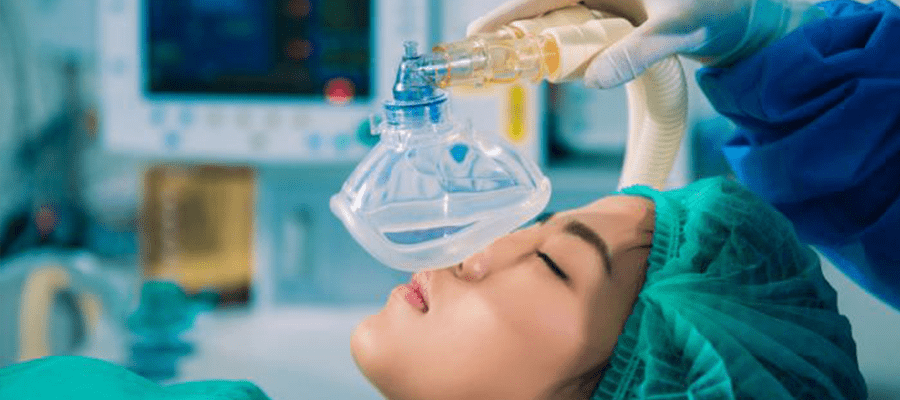
Anesthesia-Related Risks: The use of general anesthesia carries some risks, but these risks are quite low with modern anesthesia techniques and careful patient monitoring.
Problems During the Recovery Process: The postoperative recovery process varies from person to person, and in some cases, recovery may take longer than expected or complications may be encountered.
Dissatisfaction with Aesthetic Results: Although jaw surgery provides aesthetic and functional improvements, some patients may not be fully satisfied with the results obtained.
Changes in Bite and Jaw Movements: During the postoperative period, temporary changes may occur in jaw functions such as chewing and speaking.
Is jaw surgery difficult?
Technical Complexity: Jaw surgery requires a high level of expertise and experience due to the complex anatomy of the face and jaw structure. The surgeon must work with delicate structures such as nerves, blood vessels, and muscle tissue to optimize both aesthetic and functional outcomes.
Long Training Process: Jaw surgeons receive education in dentistry and then specialize in oral, facial, and jaw surgery. This long and intensive training process requires a broad knowledge base and a surgical skill set.
Patient Management: Managing patient expectations can be challenging, especially when it comes to aesthetic interventions. Surgeons should balance patients’ desires with realistic outcomes and develop the most appropriate treatment plan for each patient.
Challenges for Patients:
Preoperative Anxiety: Jaw surgery can be anxiety-inducing for patients, especially when large and complex procedures are involved. Patients may worry about the results of the operation, potential complications, and the recovery process.
Recovery Process: The postoperative recovery process of jaw surgery may involve challenges such as pain, swelling, dietary restrictions, and the time to return to normal activities. This process requires the patient’s patience and compliance.
Cost and Access: Jaw surgery, especially for extensive procedures, can be costly and may not be easily accessible for all patients.
How is jaw displacement recognized?
Jaw displacement is a condition in which the jaw moves out of its normal position or the alignment of the jaw is disrupted. This can occur for various reasons, particularly temporomandibular joint (TMJ) disorders, trauma, dental problems, or certain health conditions. The symptoms of jaw displacement are usually noticed through physical discomfort and changes in appearance. Here are some common signs of jaw displacement:
Pain and Discomfort: Pain or discomfort in the jaw, face, neck, or ears is a common sign of jaw displacement.
Difficulty Chewing and Speaking: Disruption in jaw alignment can cause difficulty while chewing or abnormalities when speaking.
Sound from the Jaw Joint: Clicking, popping, or grinding sounds may be heard when moving the jaw (for example, when opening or closing the mouth).
Restriction in Jaw Movements: Inability to fully open the jaw or a feeling of limitation in jaw movements may be a sign of displacement.
Facial Asymmetry: Jaw displacement can lead to asymmetry, such as one side of the face being more forward or backward than the other.
Improper Teeth Closure: The upper and lower teeth may close differently than normal or gaps may form between the teeth.
Feeling of Fatigue: Especially in the jaw and facial muscles, a feeling of fatigue may occur due to prolonged pain or discomfort.
Headaches: Jaw problems, especially TMJ disorders, can frequently cause headaches.
Jaw Surgery Prices 2025
Jaw surgery prices 2025 You can contact us to get information about it.