



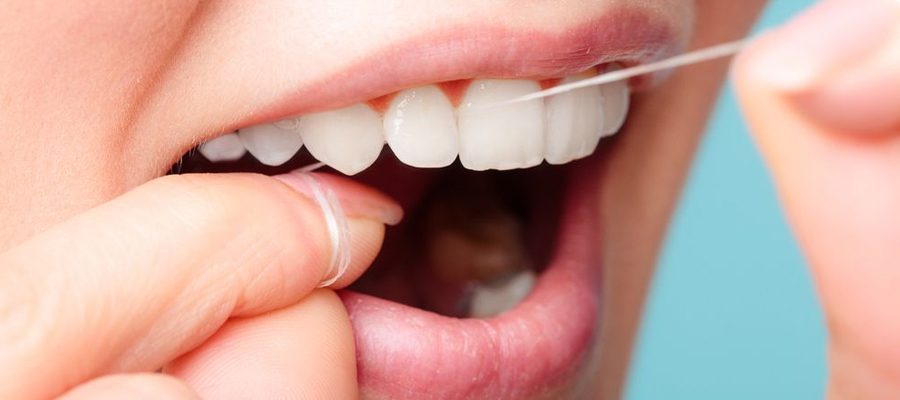
Dental Floss Use, is an important part of oral and dental health, and is recommended by many dentists as an indispensable step in the daily care routine. While brushing helps clean the surfaces of the teeth, dental floss is a more effective method for cleaning plaque and food debris between the teeth. Daily use of dental floss has been scientifically proven to help prevent gum disease, reduce bad breath, and prevent tooth decay. In this article, we will discuss the correct use of dental floss, its benefits, why it should be used regularly, and in which situations caution should be exercised.
İçindekiler Tablosu
What is Dental Floss?
Dental floss is a thin thread used to access narrow spaces between teeth and remove plaque that accumulates in these areas. Dental floss is usually made from materials such as nylon or PTFE (polytetrafluoroethylene) and can sometimes be waxed or mint-flavored. Waxed dental floss is more slippery, making it easier to slide between teeth, which makes it a more suitable choice especially for people whose teeth are very close together.
Benefits of Using Dental Floss
The greatest benefit of using dental floss is cleaning the plaque accumulated in places that a toothbrush cannot reach. These plaques between the teeth can harden over time and turn into tartar, which can lead to gum disease. The use of dental floss allows these plaques to be cleaned without damaging the gums. The main benefits of using dental floss can be listed as follows:
Prevents Gum Disease: Gum inflammation is usually caused by plaque accumulating between the teeth. If this plaque is not cleaned, the gums swell, turn red, and may even bleed. Dental floss helps prevent gum disease by cleaning these plaques.
Reduces Bad Breath: Food particles trapped between the teeth can cause odor over time. Dental floss removes these residues, preventing bad breath.
Prevents Tooth Decay: Plaque between the teeth can damage the tooth enamel, leading to the formation of cavities. Dental floss reduces the risk of cavities by cleaning these plaques.
Improves Overall Oral Health: The use of dental floss not only benefits the teeth and gums but also improves overall oral health. Regular cleaning with dental floss helps prevent gum recession and contributes to a healthier oral structure.
How to Use Dental Floss?
Although the use of dental floss may seem simple, when not used with the correct technique, it can damage the gums. Correct use of dental floss is carried out with the following steps:
Cut about 45 cm of dental floss and wrap the floss around the middle fingers of both hands.
Hold the dental floss with your thumbs and index fingers, and gently place it between your teeth.
Move the floss back and forth and slide it down between the teeth, but be careful not to damage the gums.
When you reach the gum line, curve the floss into a C shape and press it against the tooth surface, moving it up and down.
Use a clean section of floss for each tooth and repeat this process for all your teeth.
Points to Consider When Using Dental Floss
There are several points to consider when using dental floss. First, the floss should be used gently to avoid damaging the gums. If the floss is forced harshly into the gums, it can cause gum bleeding and even gum recession. In addition, it is important to choose floss suitable for your dental structure. If your teeth are tight, waxed dental floss may be more comfortable to use.
People who are new to using dental floss may experience slight gum bleeding at first. This is usually normal during the adjustment period of the gums to the floss and passes within a few days. However, if bleeding becomes persistent, it is necessary to consult a dentist.
Types of Dental Floss
There are many types of dental floss available on the market to suit different needs. Each of these flosses is designed according to different dental structures and user preferences. The types of dental floss can be summarized as follows:
Waxed Dental Floss: Slides more easily between the teeth, preferred especially by people with tightly spaced teeth.
Unwaxed Dental Floss: Has a thinner and more natural structure, but may be slightly more difficult to slide between the teeth.
Mint-Flavored Dental Floss: Preferred because it leaves a refreshing taste in the mouth.
PTFE Dental Floss: Made of high-strength material and effectively cleans plaque without damaging the gums.
Frequency of Dental Floss Use
Dental floss use complements tooth brushing and is recommended at least once a day. Especially flossing after dinner ensures the cleaning of plaque and food residues that have accumulated throughout the day. However, some people prefer to floss twice a day, in the morning and evening. This helps keep the teeth and gums cleaner.
Risks of Not Using Dental Floss
Not using dental floss can lead to serious dental and gum problems in the long run. Plaque buildup between teeth can cause not only aesthetic issues but also conditions that threaten dental health. The most common risks of not using dental floss are as follows:
Gum Disease: Inflammation and infections may occur in the gums when plaque is not cleaned.
Bad Breath: Food debris trapped between teeth can cause bad breath.
Tooth Decay: Plaque damages the enamel, triggering the formation of cavities.
Gum Recession: Long-term uncleaned gums may recede due to plaque buildup, which can damage the roots of the teeth.
Dental Floss Use in Children
Paying attention to children’s oral and dental health from an early age is important for having healthier teeth in the future. Teaching children to use dental floss helps them develop a healthy oral care routine. Dental floss use can begin in children as early as 2–3 years old. However, during this process, flossing should be supervised by parents. Dental flossing may be challenging for children; therefore, floss holders can be used.
Conclusion
The use of dental floss is an effective method that complements tooth brushing to maintain oral and dental health. Daily flossing helps clean plaque and food debris between teeth, preventing gum disease, tooth decay, and bad breath. Although flossing may seem difficult at first, when performed with the correct technique and adopted as a regular habit, it helps achieve a healthier oral structure. Both adults and children paying attention to flossing is a major step toward maintaining dental health in the long term.