



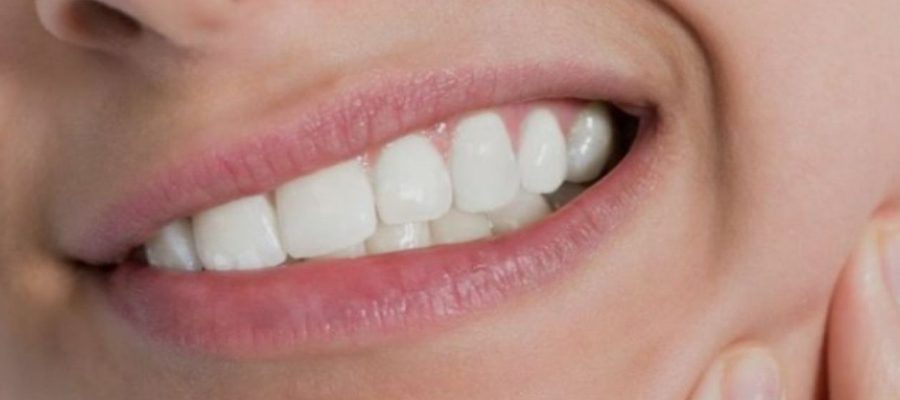
Teeth Grinding, medically referred to as “bruxism,” is the condition in which a person unconsciously clenches or grinds their teeth, usually while sleeping. This condition, which can be seen in individuals of all ages, can create serious effects on oral and dental health over time. Although teeth grinding may seem like a simple habit, it can cause tooth wear, jaw pain, headaches, and damage to tooth enamel, leading to more serious health problems in the long term. Common causes of teeth grinding include stress, anxiety, sleep disorders, structural problems in the teeth, and side effects of certain medications. At the same time, teeth grinding often continues unnoticed, and individuals usually only realize it when they experience symptoms such as jaw pain or tooth sensitivity. If bruxism is not treated, it can cause excessive wear of the teeth, temporomandibular joint disorders, and even tooth loss in the long term. In this article, the causes, symptoms, diagnostic methods, treatment options, preventive measures in daily life, and long-term effects of teeth grinding will be discussed in detail.
İçindekiler Tablosu
Causes of Teeth Grinding
The exact cause of teeth grinding is not always clear, but many factors are thought to contribute to this condition. The most common among them is stress and anxiety. Emotional stress factors encountered in daily life can cause individuals to unconsciously clench their teeth during sleep. Stress leads to muscle tension, which causes the jaw muscles to contract involuntarily and the teeth to grind against each other. In addition, emotional states such as anxiety disorders, depression, and anger can also increase the risk of bruxism.
Physical causes include misaligned teeth (malocclusion) and jaw structure disorders. Improper closing of the teeth can cause abnormal jaw muscle activity during sleep. This situation especially leads to involuntary clenching and grinding of the teeth at night. In addition, disorders related to the nervous system and neurological diseases are also shown as possible causes of teeth grinding. For example, bruxism is a common symptom in neurological disorders such as Parkinson’s disease and Huntington’s disease.
Certain medications can also trigger teeth grinding. Antidepressants and psychiatric medications, in particular, can affect the nervous system and lead to bruxism. Likewise, stimulants such as caffeine and nicotine can activate the nervous system and worsen bruxism. Sleep disorders, especially conditions like sleep apnea, are also associated with teeth grinding. During sleep apnea, breathing pauses occur, and the body activates the muscles to regulate breathing again. At this time, the jaw muscles may contract involuntarily, causing teeth clenching.
Symptoms of Teeth Grinding
Since teeth grinding usually occurs during sleep, individuals may find it difficult to notice this condition. However, some obvious symptoms indicate the presence of the problem. If you wake up in the morning with jaw pain, headache, or neck pain, this may be a sign of bruxism. In addition, tooth sensitivity, fractures, or wear are physical signs of the long-term effects of teeth grinding. If you notice flattening at the tips of your teeth, cracks in the enamel, or excessive wear, you may need to consult a dentist.
Bruxism can also cause pain and spasms in the jaw muscles. Continuous pressure on the temporomandibular joint (TMJ) can lead to pain in this area and temporomandibular joint disorders. This can cause restrictions in jaw movements, jaw locking, and even deformities in the jaw bone. Muscle contractions caused by teeth grinding can also lead to pain in the face and neck area, reducing the quality of daily life.
Headaches are also a common symptom of bruxism. Clenching teeth and jaw muscle contractions throughout the night can cause severe headaches when you wake up in the morning. These headaches are usually felt in the temple region and can be confused with migraine-like symptoms. If headaches caused by teeth grinding occur frequently, it is important to consult a dentist.
Damages of Teeth Grinding
The long-term damages of teeth grinding can create serious harm to oral and jaw health. Constant grinding and clenching of the teeth cause enamel erosion and flattening of the tooth surfaces. This leads to the deterioration of the natural structure of the teeth and weakens chewing function. Enamel wear also makes teeth more sensitive to external factors, leading to sensitivity to hot, cold, or sweet foods.
Teeth grinding can also cause cracks and fractures in the teeth. Excessive clenching weakens the tooth structure, leading to breakage. Tooth fractures not only create aesthetic problems but can also cause tooth loss. Additionally, teeth grinding can lead to gum recession and exposure of tooth roots, accelerating tooth loss.
Excessive pressure on the temporomandibular joint (TMJ) can lead to TMJ disorders. TMJ disorders can cause restricted jaw movements, jaw locking, and pain in the jaw joint. This makes it difficult for the jaw to open and close properly, negatively affecting basic functions such as eating, speaking, and chewing in daily life.
Treatment Methods for Teeth Grinding
The methods used in the treatment of teeth grinding may vary depending on the severity and cause of bruxism. The main goal of treatment is to minimize the damages caused by teeth grinding and prevent possible complications in the future. One of the most common methods in bruxism treatment is protective therapies, including the use of night guards (splints). A night guard prevents the teeth from grinding against each other, preventing tooth wear and jaw pain. These guards, specially prepared by your dentist, are used to protect the teeth from damage.
In addition to night guards, methods such as stress management and psychotherapy can also be effective in cases where bruxism has psychological origins. Individuals who grind their teeth due to stress and anxiety can benefit from relaxation techniques such as yoga, meditation, and deep breathing exercises. Receiving psychological support can address the root causes of bruxism and accelerate the treatment process.
Another method used in the treatment of teeth grinding includes exercises and massage techniques to relax the jaw muscles. Regularly massaging the jaw and neck area can help alleviate the effects of bruxism by preventing excessive contractions of the jaw muscles. In some cases, Botox injections may also be used to prevent excessive contraction of the jaw muscles. Botox temporarily paralyzes the jaw muscles and can stop teeth grinding, although this method is usually preferred in advanced cases.
Surgical interventions in bruxism treatment are rarely used and are only considered in cases of severe temporomandibular joint disorders. Surgical procedures may be applied to correct structural disorders in the jaw joint.
Preventive Measures for Teeth Grinding
There are some simple preventive measures that can be taken in daily life to prevent teeth grinding. First of all, stress management plays an important role in preventing bruxism. Relaxation techniques such as yoga, meditation, and deep breathing exercises can reduce stress levels and prevent bruxism. In addition, limiting caffeine and alcohol consumption can reduce teeth grinding. Since caffeine and alcohol stimulate the nervous system and can trigger bruxism, their consumption should be restricted.
Paying attention to sleep hygiene is also an important factor in preventing bruxism. Establishing a regular sleep routine, having a well-rested body, and engaging in relaxing activities before sleep can reduce teeth grinding. Drinking calming herbal teas before bed, keeping the bedroom cool and dark can make it easier to fall asleep.
Another important preventive measure for teeth grinding is regular dental check-ups. A dentist can detect wear and other problems caused by bruxism in your teeth and prevent further damage with early intervention. The dentist may also recommend the use of night guards to protect your teeth.
Conclusion
Teeth grinding is a condition that often goes unnoticed in daily life but can create serious harm to dental and jaw health in the long term. Stress, sleep disorders, structural problems in the teeth, and neurological factors are among the main causes of bruxism. Symptoms of teeth grinding include jaw pain, headaches, tooth wear, and sensitivity. If bruxism is left untreated, it can result in tooth loss, temporomandibular joint disorders, and serious damage to tooth enamel. However, with the use of night guards, stress management, jaw muscle exercises, and regular dental check-ups, it is possible to minimize the effects of bruxism.