



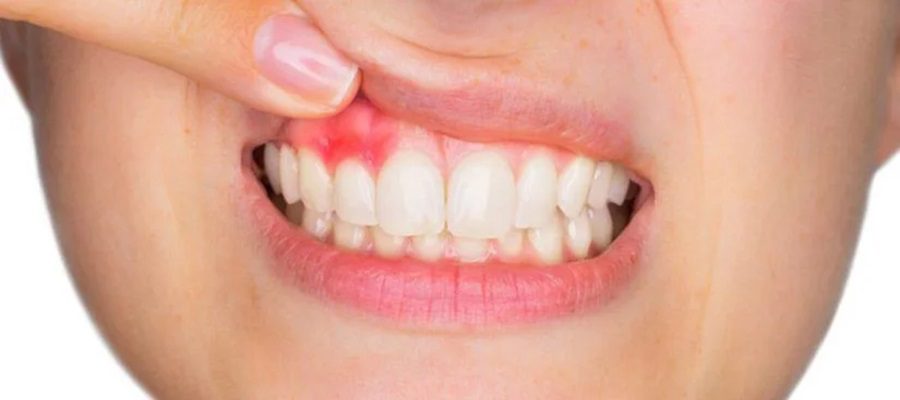
Gum Bleeding, from time to time we may experience gum bleeding. In general, it is an indication of gum disease or not paying enough attention to oral hygiene. However, gum bleeding may be a sign of serious health problems. This article will discuss the causes of gum bleeding and ways to prevent it.
Poor Oral Hygiene: This is the most common cause of gum bleeding. Regular tooth brushing and flossing prevent plaque buildup and gum inflammation. This causes sensitivity and bleeding in the gums. Bacteria and food particles that accumulate on the teeth form plaque. Plaque that is not cleaned regularly accumulates at the gum line, causing gum inflammation known as gingivitis.
Gum Diseases: Periodontitis and gingivitis are the most important factors that cause gum bleeding. A mild disease that inflames the gums is known as gingivitis. If left untreated, it can turn into periodontitis and eventually lead to tooth loss. Plaque accumulation occurs at the gum line, and red, swollen, and bleeding gums are typically known as gingivitis. A more advanced stage, periodontitis, affects the gums and the bone tissue that supports the teeth.
Hormonal Changes: Pregnancy, menstruation, and menopause can make gums more sensitive. Gum bleeding occurs more frequently during these times. Rising hormone levels during pregnancy can cause the gums to become inflamed and bleed. Similarly, hormonal changes during menopause and the menstrual cycle can also affect gum health.
Brushing teeth harshly or using a hard-bristled toothbrush can damage the gums and cause bleeding. Use a soft-bristled toothbrush to protect your teeth. Proper brushing techniques can help you protect your teeth and gums. Using too much force while brushing can cause gums to recede and make your teeth sensitive.
A deficiency in vitamin C and vitamin K in the diet can cause gum bleeding. A healthy diet and adequate vitamin intake ensure that gums remain healthy. Vitamin C protects gum health and plays an important role in collagen production. Vitamin K is a very important component in the blood clotting process, and when taken in sufficient amounts, it prevents gum bleeding.
Smoking and Alcohol Use: Alcohol and smoking can damage the gums and cause bleeding. Alcohol causes dry mouth and gum problems, while smoking prevents gums from getting oxygen. Smoking increases the risk of gum disease and delays the healing of gum tissues. Smokers may also have less obvious symptoms of gum disease, making treatment more difficult.
Brush your teeth at least twice a day and clean the plaque between your teeth with dental floss. This protects the gums and prevents inflammation. When brushing your teeth, gently brush the gum line. Using dental floss to remove food residues and plaque accumulated between the teeth helps maintain gum health.
Proper Brushing Methods: Use a soft-bristled toothbrush. Brushing should not damage the gums. Brush your teeth at a 45-degree angle. After cleaning all your teeth, brush for at least two minutes. Additionally, it is recommended to get a new toothbrush every three months.
Visit your dentist regularly. Professional check-ups and cleaning make it easier to detect and treat gum diseases early. Your dentist will give you the necessary advice for your gum health. Your dentist will also clean your tartar, which prevents plaque formation and protects gum health.
Consume foods rich in vitamin C and vitamin K in a balanced way. Regular consumption of fruits and vegetables protects gum health. Drink plenty of water to prevent dry mouth. Vitamin C can be found in foods such as oranges, strawberries, broccoli, and spinach. To get vitamin K, you can eat green leafy vegetables such as lettuce, cabbage, and spinach.
Reducing Smoking and Alcohol Use: Make an effort to reduce or completely quit alcohol and smoking. This improves your gum and overall health. Smoking and alcohol increase the risk of gum diseases and have a harmful effect on your oral health. Quitting smoking improves your gums and speeds up their recovery.
Stress Management: Stress weakens the immune system and can cause gum diseases. To manage your stress, exercise regularly, try relaxation methods such as meditation, and make sure you get enough sleep. Stress can trigger gum diseases by increasing the body’s inflammatory responses. Reducing stress protects your overall health and gum health.
Oral Care Products: You can use toothpastes and antiseptic mouthwashes specially designed to protect your gums. These products reduce gum inflammation and prevent plaque formation. By killing the bacteria in your mouth, antiseptic mouthwashes prevent gum diseases. Your dentist may recommend the most suitable oral care products for your gums.
Possible Complications and Symptoms: Infection: Sometimes gum bleeding can be a sign of an infection. Infection may show symptoms such as severe pain, swelling, fever, and bad breath. If you notice any of these signs, contact your dentist immediately. If the infection is not treated, it can lead to the progression of gum diseases and more serious health problems.
Dry Socket: One of the most common problems after tooth extraction. If the clot does not form or collapses, dry socket occurs, which can be very painful. Symptoms of dry socket include severe pain, bad odor, and taste in the extraction area. In this case, after the extraction area is cleaned, your dentist can start treatment. Antiseptic solutions and painkillers are often used in the treatment of dry socket.
Bruising and swelling may occur after tooth extraction. These symptoms usually decrease within a few days. You can apply a cold compress to reduce swelling. Swelling decreases within 48 hours. Bruising is the result of blood accumulation under the skin and may last about a week.
Proper Tooth Brushing Method: To prevent gum bleeding, use a soft-bristled toothbrush when brushing your teeth and brush gently. Do not use too much force to avoid damaging your teeth. Hold the brush at a 45-degree angle to the gum line and move back and forth.
You should use dental floss to clean food residues and plaque accumulated between your teeth. By using dental floss correctly, you can prevent bleeding and gum inflammation. Place the floss between your teeth and gently move it up and down. Be careful not to damage your gums when using dental floss.
Healthy Nutrition: To protect the health of your gums, make a balanced nutrition plan. Consume foods rich in vitamins and minerals. Foods containing vitamins C and K especially support gum health. Add fresh fruits and vegetables to your daily diet. Also, drink plenty of water to prevent dry mouth.
Stress Management: Stress weakens your immune system, which can cause gum diseases. To lower your stress level, exercise, try relaxation methods such as meditation, and get enough sleep. Managing your stress protects your overall health and gum health.
Reducing Smoking and Alcohol Use: Reducing or completely quitting smoking and alcohol helps protect your dental health. Smoking and alcohol increase the risk of gum diseases and have a harmful effect on your oral health. Smoking can mask the symptoms of gum diseases, delaying healing.
Conclusion: Gum bleeding is usually a sign of not paying enough attention to oral hygiene, but it can also be a symptom of serious gum diseases. Simple measures such as regular tooth brushing, proper brushing techniques, flossing, and healthy nutrition can prevent gum bleeding and help you have healthy teeth. It is very important to keep your teeth and gums healthy for overall oral health. When you encounter problems such as gum bleeding, visit your dentist regularly. Healthy gums are very important for your smile and overall oral health. Protecting your dental health also improves your general health.