



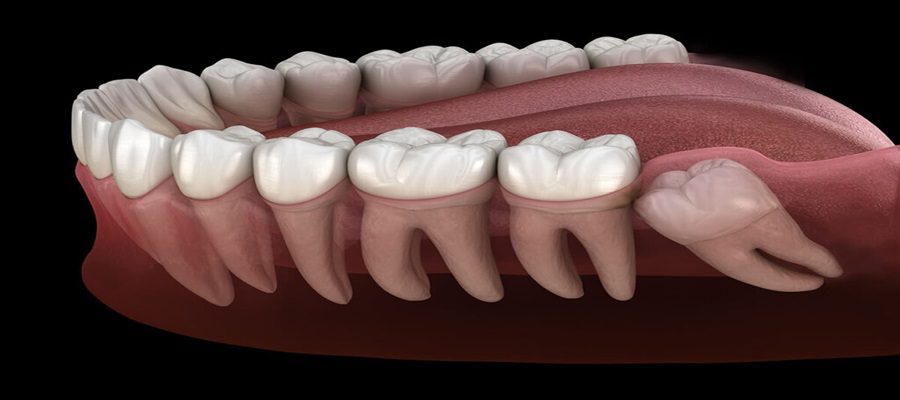
After Tooth Extraction, after having their teeth extracted, many people want to avoid treatments. However, thanks to contemporary advances in medicine and dentistry, this procedure is now much easier and more comfortable than before. Paying attention to what to do after a tooth extraction accelerates healing and prevents problems. Here are the things to consider and the healing process after tooth extraction :
İçindekiler Tablosu
Bleeding and Clotting in the First 24 Hours After Tooth Extraction
After your dentist places gauze on the extraction site, you will be asked to bite down on it for thirty to forty-five minutes. This facilitates bleeding and clot formation. The formation of a clot is normal during the healing process, and it is very important that the clot remains in place. Therefore, be careful when spitting and rinsing your mouth during the first 24 hours. Using a straw may cause the clot to dislodge.
Pain and Discomfort
It is normal to feel pain and discomfort after having a tooth extracted. Your dentist may allow you to use medicated or non-medicated painkillers to control the pain. Applying a cold compress to the extraction area is another method to reduce swelling. You should apply the cold compress at 15-minute intervals. Use a thin cloth or towel to protect your skin while applying the cold compress.
Some Rest
Rest during the first 24 hours is very important. Avoid moving while sleeping and be careful to keep your head elevated. This reduces swelling and bleeding. It is important to avoid activities such as exercise and heavy lifting that increase blood pressure and increase the risk of bleeding.
Eating During the First Week After Tooth Extraction
It is very important to consume liquid and soft foods. Smoothies, yogurt, soups, and purees may be good for you. Avoid hot food and drinks, as this may dislodge the clot. You should also avoid crunchy, hard, or sticky foods so as not to damage the extraction site. Foods that are difficult to chew can complicate the healing process and cause trauma at the extraction site.
Oral Care
Oral hygiene after tooth extraction reduces the risk of infection. Do not rinse your mouth from the first day. From the second day, you can use salt water to rinse your mouth. Salt water reduces the risk of infection and facilitates healing. Stay away from the extraction site and use a soft brush. Brush your teeth gently without damaging the extraction area.
Smoking and Alcohol Use
Smoking and drinking alcohol can disrupt the healing process. Smoking reduces blood flow in the extraction area and slows healing. In addition, alcohol can interact with bleeding and other medications. You should avoid alcohol and smoking for at least 72 hours after tooth extraction. Limiting smoking and alcohol consumption in the long term is also beneficial for overall oral health.
Possible Conditions and Findings: Infection
Infections may occur after tooth extraction. Infection can present with symptoms such as severe pain, swelling, fever, and bad breath. If you notice any of these signs, contact your dentist immediately. Bacteria in the extraction area cause infection, and if left untreated, it can lead to serious health problems.
Dry Socket
Dry socket is one of the most common problems after tooth extraction. If the clot does not form or falls out, a dry socket occurs, which can be very painful. Symptoms of dry socket include severe pain at the extraction site, bad odor, and taste. In this case, your dentist may begin treatment after cleaning the extraction area. Antiseptic solutions and painkillers are often used in the treatment of dry socket.
Bruising and Chills
Tooth extraction may cause bruising and swelling. These symptoms usually decrease within a few days. You can reduce swelling by applying a cold compress. Swelling decreases within 48 hours. Bruises are the result of blood accumulation under the skin and may last up to a week.
Oral and Dental Health Care After Tooth Extraction
After teeth are extracted, you should take care of your oral and dental health. Brush your teeth regularly, use dental floss, and visit your doctor. In case of tooth loss, talk to your dentist about options such as dentures, implants, or bridges. It is very important to replace the missing tooth to preserve the health of your jawbone and ensure the proper alignment of your teeth.
Dental Implants and Prosthetics
There are many different prosthetic and implant options to replace missing teeth. The best option is artificial teeth known as implants, which are made with titanium screws placed in the jawbone. Bridges are attached to adjacent teeth to fill gaps between teeth. Alternatively, dentures include fully or partially removable artificial teeth. Your dentist will determine what is best for you.
General Care After Tooth Extraction
Regular dental check-ups after tooth extraction ensure that your healing progresses smoothly. Your dentist monitors the healing level of the extraction site and prevents possible problems. With regular check-ups, you can learn more about your oral and dental health.
Physical Activity and Exercise After Tooth Extraction
Avoid too much movement during the first few days after tooth extraction. Bleeding may be caused by exercising. During the first week, it is recommended to do light activities and gradually return to your daily routine. In particular, avoid heavy lifting and bending your head down.
Psychological Support and Inspiration
Tooth extraction can cause physical and mental challenges. Remember that this is part of the process and take time for yourself. Getting support from friends and family can boost your morale. In addition, communicating with your dentist and asking questions can reduce your concerns.
Alternative Medicine Options
There are also various alternative treatment options to facilitate the healing process after tooth extraction. For example, you can relieve your pain by using natural pain relievers and herbal teas. Clove oil or Aloe Vera gel can speed up healing when applied to the extraction site. However, you should always consult your dentist before using these techniques.
Thanks to modern dentistry approaches, tooth extraction has now become a less frightening and painful procedure. By paying attention to what you need to do during the healing process after tooth extraction, you can help your mouth and teeth stay healthy for longer. Regular dental check-ups and good oral hygiene are necessary to keep your teeth healthy.
Finally, remember that the tooth extraction procedure is different for each individual, and the speed of healing may vary for everyone. Following your dentist’s recommendations and being patient can help you complete this process in the most comfortable way. Continue to pay attention to your dental care for a beautiful smile and healthy teeth.