



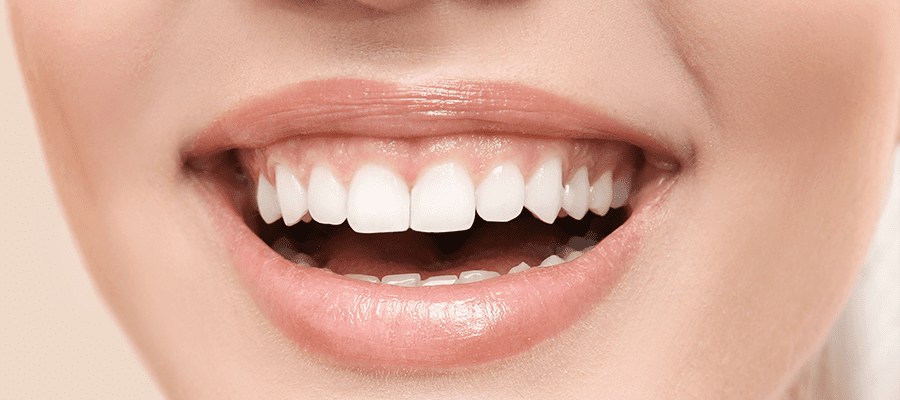
Gummy Smile refers to the gums located beneath the teeth appearing larger than normal. When you smile, the upper gums may be more visible than normal, which can make the smile aesthetically displeasing. Gummy smile usually occurs due to excessive growth of the gums or an abnormal connection between the upper lip and the jaw.
A person’s self-confidence may decrease and they may hide their smile. Due to an aesthetic or functional problem, gummy smile can be corrected. These treatments include gum surgery, orthodontic treatments, Botox injections, and cosmetic dentistry procedures. The person’s condition, preferences, and the physician’s recommendations cause the treatment options to vary.
İçindekiler Tablosu
Causes and Risk Factors of Gummy Smile
There are many causes of a gummy smile, and this condition is often related to the person’s anatomical structure. A few common causes are:
- Excessive Gum Growth: Some people may grow more gum tissue than normal. This can cause more gum to be visible beneath the teeth and lead to a gummy smile.
- Short Upper Lip: In some people, the upper lip is shorter than normal or does not completely cover the upper gums. In this case, the upper gums may become more prominent when smiling.
- Excessive Gum Movement: In some cases, the gum tissue may move more than normal, which can cause more of your teeth to be visible when you smile.
- Short Teeth: If the teeth are shorter than normal or if an excessive amount of gum tissue has overlapped the teeth, a gummy smile may occur.
Genetic predisposition, hormonal changes, improper tooth development, medications that cause excessive gum growth, and medical conditions are risk factors. These reasons can increase the likelihood of a gummy smile occurring.
Symptoms of Gummy Smile
During smiling, the symptoms of a gummy smile generally include:
- Upper gums are more visible than normal when smiling: The gums beneath the teeth can be easily seen.
- Appearance of the Upper Teeth: More gum than normal is seen beneath the upper teeth. The upper teeth may be shorter or positioned lower than normal.
- Short Upper Lip: One cause of a gummy smile is a short or irregular relationship between the upper lip and the gums. When smiling, the gums may appear more prominent and the upper lip may be shorter than normal.
- Short Upper Lip Movement: If your upper lip moves higher than normal when you smile, this may be a sign of a gummy smile.
These symptoms may vary from person to person and may vary due to a gummy smile. It is very important for a person with symptoms of a gummy smile to see a dentist and have their condition evaluated.
Treatments for Gummy Smile
Depending on the person’s condition and the causes, there are various options for treating a gummy smile. Such treatments are typically performed by a periodontist, dentist, or plastic surgeon. When deciding on treatment, the causes, severity, and preferences regarding the person’s gummy smile are taken into account. Excessive gum growth can be corrected with gum surgery known as gingivectomy or gingivoplasty.
Excess gum tissue is removed and the gum is reshaped. This procedure prevents the teeth from appearing more than normal. In addition, orthodontic treatments such as braces or clear aligners can be used. These treatments reduce the visibility of the gums by correcting the position and size of the teeth. Gummy smile can be treated with Botox injections. Botox causes the muscles in the upper lip to relax and this limits upper lip movement. This reduces the visibility of the gums.
Cosmetic dentistry procedures include applications such as zirconium crowns or porcelain laminates to improve the appearance of the gums. In some cases, lip surgery may be required due to a short or abnormal movement of the upper lip. However, it is very important to consult a specialist to determine the best treatment option.
Gummy Smile Correction Procedures and Interventions
Correction of a gummy smile varies depending on the person’s condition, the causes of the gummy smile, and its severity. These procedures generally include aesthetic and surgical operations. In cases of excessive gum growth, gum surgery may be performed first.
In this procedure, excess gum tissue is removed to prevent the teeth from appearing more than normal. Orthodontic treatment may be needed if the gummy smile is caused by the size or position of the teeth. Orthodontic appliances such as braces or clear aligners reduce the visibility of the gums by changing the positions and sizes of the teeth.
Botox injections can also be used to prevent the excessive appearance of the teeth. Botox relaxes the muscles of the upper lip, restricting upper lip movement. This reduces the visibility of the gums. Cosmetic dentistry procedures can also be applied to improve the appearance of the teeth. Applications such as zirconium crowns or porcelain laminates improve the appearance of the teeth.
Plastic surgeons may perform lip surgery if the upper lips are short or immobile. These procedures involve lengthening or correcting the upper lip. Consult a specialist to determine which procedure is appropriate.
Gummy Smile Aesthetic Surgery
Gummy smile aesthetic surgery is a surgical procedure aimed at improving the appearance of the gums. The typical goals of such surgical interventions are to reduce excessive gum display, to give the gums a more natural and balanced appearance, and to achieve a more aesthetic smile.
There are a number of procedures including gum surgery (gingivectomy or gingivoplasty), porcelain laminate or zirconium crowns, lip surgery, and Botox injections. By applying porcelain laminates or zirconium crowns to the front surfaces of the teeth, excess gum tissue is removed and gum contours are corrected.
If the upper lip is short or its movement is abnormal, it can be lengthened or corrected through lip surgery. Relaxation of the muscles in the upper lip can help Botox injections reduce the visibility of the gums. It is very important to talk to a cosmetic surgeon or dentist to determine which procedure is appropriate.
Gummy Smile Aesthetic Filler and Botox Applications
Non-invasive (non-surgical) methods used in the treatment of a gummy smile are aesthetic filler and Botox applications. The aim of these applications is to reduce excessive gum display, make the gums less prominent, and make the smile more attractive. Details about these applications are as follows:
- Aesthetic Filler Applications: To correct the gum line, filling materials can be applied to the edges of the gums or the upper part of the teeth. These fillings make your teeth look more aesthetic and smooth. Fillers generally use hyaluronic acid, and the procedure is quite quick.
- Botox Injections: Overactivity of the upper lip muscles may be the cause of a gummy smile. Botox causes the muscles in the upper lip to relax, which reduces the visibility of the gums. In this way, the gums contribute less to the smile and it becomes more aesthetic. Botox is applied quickly and painlessly, and its effect usually lasts for several months.
For those who want non-surgical and fast results, Botox and filler applications are ideal options. However, it is very important to speak with a cosmetic specialist or dentist before deciding on any treatment plan. These experts evaluate the individual’s condition, recommend the best treatment plan, and determine the best way to meet expectations.
How Is Gummy Smile Surgery Performed?
Gummy smile surgery is performed to reduce excessive gum appearance and achieve a more aesthetic smile. A plastic surgeon, periodontist, or dentist generally performs the surgery and it involves specific steps. Before the surgery, the condition of the person’s teeth and gums is first evaluated, and the cause and severity of the gummy smile are investigated.
The surgical procedure begins after anesthesia. At this stage, excess gum tissue is removed and gum contours are corrected. Correction of the bone tissue beneath the teeth may also be part of the surgical operation. After the surgery, antibiotics and pain relievers are prescribed if necessary.
Instructions for postoperative care and healing are given, and the recovery process may take several weeks. Gummy smile surgery can vary in complexity depending on the individual’s condition and may not be suitable for everyone. Consequently, it is important to consult a specialist or dentist to determine the best treatment plan.
Recovery Process After Gummy Smile Treatment
The recovery process after gummy smile treatment may vary depending on the person’s body structure and the method applied. However, this process generally ranges from a few weeks to a few months. Local swelling and mild pain after the operation are normal. These symptoms usually decrease and resolve within a few days.
In the postoperative period, wound healing is very important. If necessary, dressings and wound cleaning should be performed as recommended by the doctor, and the prescribed medications should be used regularly. During the recovery process, diet and activity plans are also very important. In the first few days after the operation, hot and spicy foods should be avoided.
Additionally, excessive exercise should be avoided and care should be taken to rest. It is very important to undergo regular check-ups as recommended by the doctor to monitor the progress of healing.
Wound healing and treatment effectiveness are evaluated during these visits, and the treatment plan can be changed if necessary. Although the complete recovery process varies from person to person, it is very important to follow the doctor’s recommendations and attend scheduled check-ups regularly.
Gummy Smile Prices 2025
Gummy smile prices may vary depending on the treatment method used, the complexity of the treatment, the characteristics of the area of application, and the healthcare institution where it is performed. As a result, it may be difficult to determine a clear price. Gummy smile correction treatments are generally customized according to the person’s needs and preferences.
Consequently, before deciding on treatment, it is important to talk to a cosmetic specialist or dentist and obtain detailed information about the available treatment options. Treatment costs generally vary depending on the treatment method, the conditions of the area where the application will be made, the materials to be used, and the healthcare institution that will perform the treatment.
Consequently, it is important to consult a cosmetic specialist or dentist to find the most suitable gummy smile prices.