



Joint Plate is a part of the temporomandibular joint (TMJ). Located between the lower jaw (mandible) and the skull, these joints allow movement while performing many tasks such as swallowing, speaking, and chewing.
The soft tissue of the TMJ is also known as the joint plate . The surface where the lower jaw contacts the skull is this disc within the TMJ, which is composed of cartilage and fibers. In addition to facilitating the movement of the lower jaw, this disc reduces friction between the bones and protects the joint surfaces.
A series of jaw problems known as temporomandibular joint dysfunction (TMD) may arise due to any problem or damage in the joint plate.
This can cause symptoms such as jaw pain, jaw joint crepitus, jaw locking, and restriction of jaw movements. Numerous factors, including stress, jaw trauma, teeth clenching and grinding, poor dental structure, or abnormalities in the anatomy of the jaw joint, can cause damage to the joint plate.
İçindekiler Tablosu
How Is Joint Plate Surgery Performed?
Most patients with TMJ dysfunction are treated with joint plate surgery, known as temporomandibular joint (TMJ) disc replacement surgery. This surgery is typically performed under general anesthesia or sedation. Access to the jaw joint is usually achieved from inside the mouth, so there are no cuts or scars externally.
The doctor carefully opens the jaw muscles and other soft tissues to reach the joint plate and removes the damaged or dysfunctional one. The joint plate is then replaced or repaired using an appropriate disc or implant. After the surgery, the patient may generally need to remain under observation for a few hours, and full recovery may take several weeks.
For patients with TMJ dysfunction, joint plate surgery can be an important treatment option. Since each patient is different, it is important to consult a dentist or oral and maxillofacial surgeon to evaluate the suitability of the surgery and to manage the recovery process.
Advantages of Its Use
The use of a joint plate may be beneficial for patients with temporomandibular joint (TMJ) dysfunction. First, the joint plate can improve jaw movements by protecting the joint surfaces and reducing friction between the jaw joint and the lower jaw.
This can reduce jaw joint pain and discomfort, facilitate jaw movements, and improve daily activities such as swallowing, speaking, and chewing.
Additionally, by helping to keep the jaw structure and teeth properly aligned, it can prevent wear and fractures of the teeth. However, it may also alleviate other symptoms that may arise due to TMJ dysfunction, such as ear pain, neck pain, and headaches.
It can be an effective and minimally invasive approach in the treatment of jaw joint problems and can improve patients’ quality of life. However, since each patient is different, it is important to consult a specialist to evaluate the suitability of the joint plate and to discuss various treatment options.
Recovery Process After Joint Plate Surgery
The recovery process after joint plate surgery may vary depending on the patient’s specific condition and the complexity of the surgery. In general, after joint plate surgery, patients need to pay attention to several important rules and adhere to the recovery process.
Patients may experience pain and discomfort during the first few days after surgery. During this period, doctors may recommend over-the-counter or prescription medications to relieve pain. Cold compresses or ice applications can also reduce swelling and discomfort.
For the first few days after surgery, patients are generally placed on a strict diet and restrict chewing or moving their jaws. Doctors also advise them to avoid certain activities and to refrain from heavy lifting.
Frequent doctor visits during the postoperative recovery process are very important. Doctors may carry out regular check-ups to monitor the patient’s progress and identify any problems.
Depending on the patient’s specific condition, the full recovery process may vary but generally may take several weeks or several months. Doctors may recommend other treatment options such as exercises or physical therapy to accelerate recovery and ensure complete healing.
Recovery after joint plate surgery requires patience. Patients should pay attention to their doctors’ recommendations and do what is necessary to support the recovery process.
What Is a Joint Plate Used For?
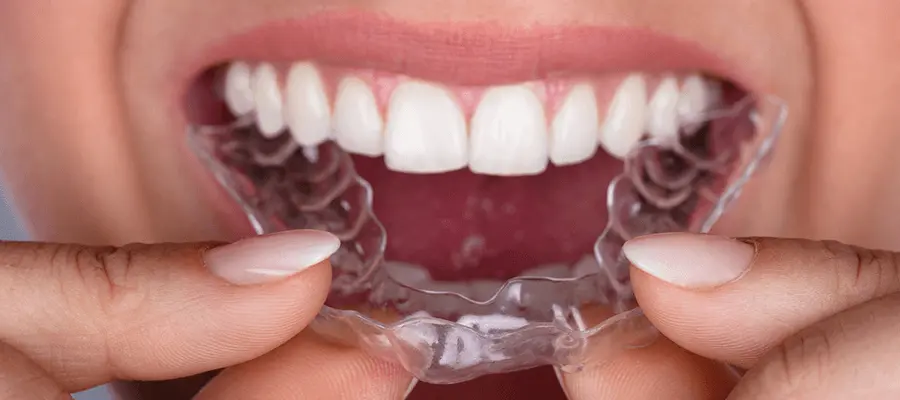
A joint plate is an appliance used in the treatment of patients experiencing jaw joint problems (TMD – temporomandibular joint disorders) or teeth clenching and grinding (bruxism), generally transparent and custom-designed. These plates are placed between the upper and lower teeth and are used throughout the night or for the duration recommended by the dentist. Its main purpose is to reduce the pressure of the teeth on the jaw joint. It relaxes the jaw muscles and tightens the masticatory muscles.
Stress, sleep disorders, or malocclusion (incorrect bite) are the most common causes of bruxism, that is, teeth clenching and grinding. This habit can cause wear on the teeth, gum recession, and pain in the jaw joint. A joint plate is used to prevent the teeth from rubbing against and wearing each other down. Since these plates also reduce contact between the teeth, they reduce the pressure on the jaw joint, which in the long term prevents the development of jaw joint problems.
Jaw joint disorders may present with symptoms such as pain around the ear or along the jawline, restriction of jaw movements, difficulty chewing, and a clicking sound in the joint. In such cases, it provides support to the jaw joint. This reduces stress on the joint and allows jaw movements to be more comfortable and regular. Additionally, by using joint plates throughout the night to prevent muscle spasms, it can eliminate the problem of waking up with headaches and jaw pain in the morning.
Types of Joint Plates
There are many different joint plates used to treat temporomandibular joint (TMJ) dysfunction. The type of plate is determined according to the patient’s condition and needs. Common types used as joint plates are:
- Fixed: A device that helps keep the lower jaw in a fixed position. The purpose of this plate is to reduce stress on the jaw joint and alleviate TMJ symptoms.
- Temporary: A temporary solution used to evaluate the patient’s condition or as a transition to treatment. The purpose of the temporary plate is to alleviate the patient’s jaw joint symptoms and provide relief.
- Soft: A soft joint plate is used to reduce stress on the jaw joint and alleviate TMJ symptoms. Being made of flexible and soft materials provides comfort to the patient.
- Adjustable: Designed to best adjust the patient’s jaw position. A feature of this plate is the ability to change the configuration of the plate according to the patient’s needs and responses.
- Customized: A customized joint plate is designed and made specifically for the patient’s jaw structure. The aim of this plate is to provide users with the highest comfort and effectiveness.
This is only an example of the types of joint plates, and each is made for a different treatment goal. A dentist or oral and maxillofacial surgeon determines which type of joint plate will be used by evaluating the patient’s condition, symptoms, and needs.
Joint Plate Surgery: Who Is It Suitable For?
Joint plate surgery may be a suitable option for patients who experience temporomandibular joint (TMJ) dysfunction and are looking for alternative methods to alleviate or resolve their symptoms. This procedure may be an option for people who experience symptoms such as pain, tenderness, grinding, locking, or clicking in the jaw joint area.
Additionally, patients who have TMJ-related problems due to jaw structure or teeth may be candidates for joint plate surgery. This procedure is designed to alleviate the patient’s symptoms, correct jaw joint movements, and improve quality of life.
However, since each patient’s condition is different, it is important to evaluate the suitability of joint plate surgery and discuss various treatment options. Patients should make decisions by considering their symptoms, medical history, and preferences.
Joint Plate Surgery: Risks and Complications
Although joint plate surgery is an effective treatment option for temporomandibular joint (TMJ) dysfunction, as with any surgical intervention there are some risks and potential complications. Some of these risks include infection, bleeding, nerve damage, temporary pain and discomfort, displacement of the plate, or breakage.
Additionally, each patient’s recovery process may differ, and in some patients, full recovery may take several weeks or months. Recurrent symptoms after surgery are also rare.
It is very important for patients to have a detailed discussion with their doctors before the surgery and to follow the postoperative instructions. This reduces potential risks and leads to a successful outcome of the surgery.
Expected Results After Joint Plate Surgery
The expected results after joint plate surgery depend on many factors such as the severity of the patient’s TMJ dysfunction, the type of surgery performed, and the patient’s recovery process. However, patients’ symptoms generally decrease after surgery.
Severe pain, jaw locking, clicking or grinding, and cracks in the jaw joint are some of these symptoms. Patients’ daily activities and jaw movements generally become more comfortable after surgery. It may facilitate basic functions such as swallowing, speaking, chewing, and mastication.
The patient’s preoperative condition, response to treatment, and recovery process determine the long-term results of the surgery. However, when properly performed, joint plate surgery has been observed to help patients manage long-term symptoms and improve quality of life.
The recovery process, which varies from patient to patient, usually takes several weeks or several months. Adhering to postoperative instructions and going to regular doctor check-ups can facilitate the recovery process and help ensure the best possible outcomes.
Post-Procedure Rehabilitation
Physical therapy and rehabilitation after joint plate surgery are very important to facilitate the patient’s recovery process and achieve the best results. The following recommendations can be used to accelerate the healing process of the jaw joint and improve its functions. It is very important not to put too much pressure on the jaw during the postoperative period.
Ice applications or cold packs can reduce swelling and pain. The doctor may also recommend painkillers and anti-inflammatory medications. Physical therapy is very important to improve jaw joint movements, increase muscle strength, and regain flexibility. The physical therapist may recommend exercises and manipulations specially designed according to the person’s needs.
Breathing exercises and relaxation techniques can be used to cope with anxiety and stress. Regularly visiting the doctor after the surgery is very important to monitor the recovery process and, if necessary, to create a new treatment plan. All of these recommendations can help the patient go through the postoperative period more comfortably and effectively.
Is It Covered by the State?
Whether the joint plate is covered by the state depends on the type of treatment and the healthcare institution where it is performed. In Türkiye, some dental treatments related to jaw joint disorders may be covered in part by the Social Security Institution (SGK), but the state coverage regarding the joint plate is not always clear. Since it is typically a treatment appliance made specifically for the individual, it may not be directly covered by SGK.
Such treatments are often paid out-of-pocket by the patient, especially when performed by private dentists or in private healthcare institutions. However, if necessary for the treatment of jaw joint disorders in state or university hospitals, SGK may cover part of the treatment costs. Nevertheless, certain criteria are generally taken into account in such treatments, and the severity of the person’s condition may influence SGK’s coverage of treatment costs.
If you are considering having the rreatment done, it will be beneficial to prioritize state hospitals or healthcare institutions contracted with SGK. This provides comprehensive information about which part of the treatment is covered by the state and under what conditions it can be obtained free of charge or at low cost. In private dentists’ offices and clinics, such treatments generally fall outside the scope of state coverage, so the patient must pay the treatment costs themselves.
Joint Plate Prices 2025
It is not possible to make a definitive statement about joint plate prices in 2025. However, for more information about joint plate prices, you can contact local healthcare institutions or your healthcare provider. You can contact us for information about joint plate prices 2025.