



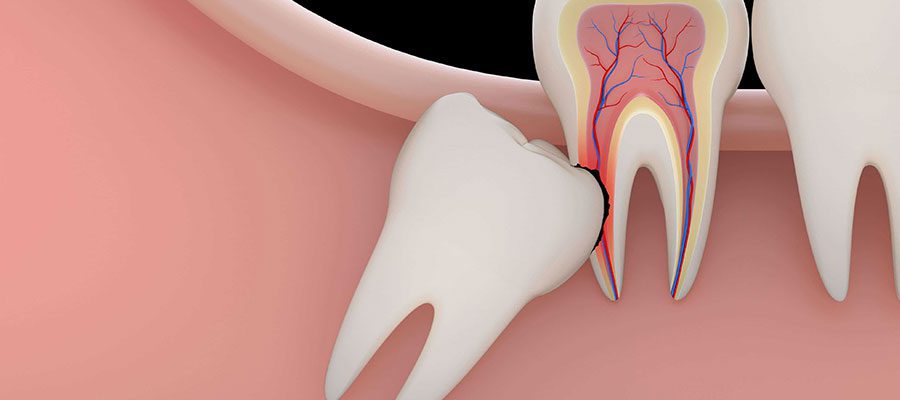
Treatment of dental lesions is a treatment process aimed at eliminating inflammation and infections that occur in the tooth roots or the surrounding tissues. Dental lesions usually occur when the pulp, the nerve and vascular tissue inside the tooth, becomes infected as a result of tooth decay or trauma. The infection spreads to the tooth root, leading to the formation of an abscess or granuloma in the surrounding bone tissue. This situation can cause symptoms such as swelling, pain, and sensitivity in the tooth root or surrounding tissues. Since dental lesions can lead to more serious health problems if left untreated, early diagnosis and treatment are of great importance.
Treatment of dental lesions is usually carried out with root canal therapy. This treatment includes cleaning the infected nerve and vascular tissue, disinfecting the tooth root, and then filling it. Root canal therapy is an effective method to save the tooth and prevent the spread of infection. After the treatment, a filling or crown is placed on the tooth to restore the function and aesthetics of the tooth. If left untreated, dental lesions can lead to tooth loss, and there is a risk that the infection may spread to the surrounding tissues or even to other parts of the body.
İçindekiler Tablosu
How Is Dental Lesion Treatment Performed?
Treatment of dental lesions involves a series of procedures aimed at eliminating the infection in the tooth and preserving the function of the tooth. The treatment process may vary depending on the severity and spread of the lesion, but it generally begins with root canal therapy. Root canal therapy involves removing the infected nerve and vascular tissue inside the tooth, disinfecting the tooth roots, and then filling the root canals with a special filling material. This procedure prevents the spread of infection and allows the tooth to be saved.
Before starting treatment, the dentist usually takes an X-ray and evaluates how much damage there is in the tooth roots. Then, local anesthesia is administered to ensure patient comfort during the procedure. During root canal therapy, a small hole is opened in the top part of the tooth, and the infected tissue is cleaned through this opening. After the canals are disinfected, the inside of the tooth is filled with a biocompatible material. Finally, the top part of the tooth is covered with a filling or a crown. In some cases, if the dental lesions are very extensive or root canal therapy is not sufficient, a surgical procedure called apical resection may be necessary. In this procedure, the infected tissue at the tip of the tooth root is surgically removed. After treatment, regular dental check-ups and good oral hygiene are important to prevent the recurrence of infection.
Do Dental Lesions Heal With Antibiotics?
Dental lesions are caused by infections in the tooth roots or surrounding tissues, and mechanical interventions such as root canal therapy are generally required to completely eliminate this infection. Antibiotics can play a supportive role in the treatment of dental lesions, but they are not a sufficient treatment method on their own. Antibiotics can temporarily control the infection by preventing the proliferation of bacteria, but they cannot eliminate the infected tissues in the tooth root. Therefore, antibiotic therapy is usually used in combination with surgical interventions such as root canal therapy.
Antibiotics may be prescribed to control abscesses that develop due to the dental lesion and to control the spread of infection. However, antibiotics only provide temporary relief and do not resolve the underlying problem. If dental lesions are treated only with antibiotics, the infection may return over time and lead to more serious complications. Therefore, appropriate dental procedures such as root canal therapy should be applied for the permanent treatment of dental lesions. Antibiotics can be used as an adjunct treatment in this process.
Are Dental Lesions Dangerous?
Dental lesions are a dangerous condition that can lead to serious health problems if left untreated. Lesions occur as a result of infection of the nerve and vascular tissue inside the tooth, and this infection can spread over time to the tooth roots and surrounding tissues. If not treated, dental lesions can lead to tooth loss, damage to bone tissue, and the spread of infection through the bloodstream to other parts of the body. Especially in advanced cases, abscess formation can be seen in the tooth roots. These abscesses can cause severe pain, swelling, and high fever.
Dental lesions can also weaken the immune system due to chronic infections and negatively affect overall health. The persistent presence of infection can increase the risk of heart disease, kidney infections, and other systemic health problems. Therefore, early diagnosis and appropriate treatment of dental lesions are very important. Untreated dental lesions can seriously threaten not only oral health but also overall health.
How Are Dental Lesions Cleaned?
Cleaning of dental lesions is carried out by removing the infected tissue and disinfecting the tooth roots. This procedure is usually done with root canal therapy. During root canal therapy, the dentist opens a small hole in the top part of the tooth and removes the infected nerve and vascular tissue through this opening. The canals are then cleaned with special instruments and disinfectant solutions. This cleaning process ensures the complete elimination of the infection and reduces the risk of reinfection of the tooth.
After the cleaning procedure, the tooth roots are filled with a biocompatible filling material, and the top part of the tooth is covered with a filling or crown. This procedure restores the function and aesthetics of the tooth. Cleaning dental lesions is necessary to prevent the spread of infection and to save the tooth. After treatment, regular dental check-ups and good oral hygiene practices prevent the recurrence of lesions.
Why Do Dental Lesions Occur?
Dental lesions usually occur as a result of infection of the pulp, the nerve and vascular tissue inside the tooth. The main causes of this infection include deep tooth decay, dental trauma, tooth fractures, and long-standing untreated dental problems. Deep cavities allow bacteria to reach the inner layers of the tooth and create an infection there. Dental traumas and fractures also damage the enamel and dentin layers that protect the internal structure of the tooth, which allows bacteria to reach the pulp tissue more easily.
When the pulp tissue becomes infected, this infection can spread to the tooth roots and surrounding tissues, which leads to the formation of lesions in the tooth roots. Over time, this infection can also affect bone tissue and lead to the development of an abscess or granuloma at the tooth root. Such conditions can cause tooth loss and more serious health problems if not treated. Regular dental check-ups and good oral hygiene practices are important to prevent the formation of dental lesions.
What Happens If the Lesion Is Not Treated?
If dental lesions are not treated, they can lead to serious health problems. First, untreated lesions can cause tooth loss. The infection weakens the bone structure that supports the tooth, leading to loosening of the tooth and eventually its loss. In addition, failure to treat the infection can lead to the formation of abscesses. An abscess is a pus-filled pocket that forms at the root of the tooth and can cause severe pain, swelling, and high fever. If this condition is not treated, the infection can spread to bone tissue and the surrounding area, causing damage to a wider region.
Untreated dental lesions can negatively affect not only oral health but also overall health. The infection can spread to other parts of the body through the bloodstream and cause serious complications. For example, life-threatening conditions such as infection of the heart valves (endocarditis), kidney infections, and sepsis may develop. Therefore, it is very important to diagnose dental lesions early and eliminate them with appropriate treatment methods.
Dental Lesion Treatment Prices 2025
The most common method in the treatment of dental lesions is root canal therapy, and depending on the condition of the tooth, this treatment may require one or more sessions. The cost of root canal therapy may vary depending on the location of the tooth (front tooth, back tooth), the difficulty level of the treatment, and the quality of the materials used. If a filling or crown needs to be applied to the tooth after treatment, these procedures may also create additional costs.
In some cases, surgical treatment of the dental lesion may be necessary. Surgical procedures such as apical resection can increase treatment costs. In addition, if medications such as antibiotics and painkillers are required during the treatment process, this can also affect the cost. Dental lesion treatment prices may vary depending on insurance coverage, the clinic’s experience, and the duration of treatment.